
Illustrated Specimen Details: 1 Lempira (Honduras)

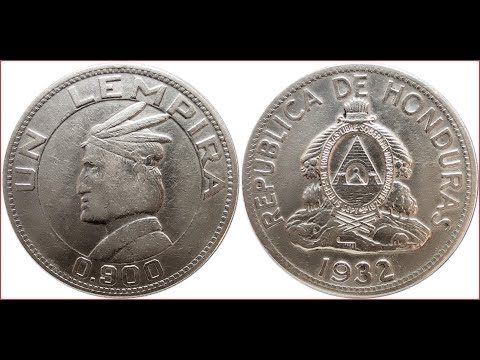
Example Specimen: 1 Lempira, 1932 — Republic of Honduras
Design & Symbols: This striking silver coin is a premier example of Honduran numismatics. The obverse features the portrait of Lempira, the legendary 16th-century war chieftain of the Lenca people who united diverse indigenous tribes to resist Spanish conquistadors. The bold inscription UN LEMPIRA - 0.900 indicates its high silver fineness. The reverse displays the complex Coat of Arms of Honduras: a volcano situated between two golden castles (representing defense), crowned by a rainbow of peace and a rising sun symbolizing a new era. The legend commemorates independence: REPÚBLICA DE HONDURAS - 15 DE SEPTIEMBRE DE 1821.
Denomination: 1 Lempira
Date: 1932
Metal: Silver (0.900)
Weight: 12.5 g | Diameter: 31 mm
Mintage: 1,000,000 specimens (Philadelphia Mint)
Estimated value: 30$
DENOMINATION GUIDE — WHERE & WHEN (coins catalog: by names & emitents)
- REPUBLIC OF HONDURAS (1931-present): 1 lempira = 100 centavos
Numismatic Fact: Between 1931-1937, this was the only denomination issued for general circulation expressed in lempiras that was struck in high-grade silver, making it a key historical piece.
The Lempira: A Currency of Indigenous Pride
The "Lord of the Mountains": The lempira coin was named in honor of the national hero, Chieftain Lempira. As the leader of the Lenca people — the largest indigenous group in the region — he stood as the primary obstacle to Spanish colonial expansion during the 1530s. The choice to name the national currency after him reflects a strong national identity and a deliberate elevation of Honduras's pre-colonial heritage.
A Modern Decimal System
The introduction of the lempira in 1931 marked a significant turning point in the monetary history of Central America. It officially replaced the Honduran peso at a parity rate, establishing a stable, modern decimal system where 1 lempira equals 100 centavos. While many neighboring nations chose currency names derived from Spanish colonial history or general European terms, Honduras made a distinct choice to center its indigenous history.
Silver Standards and Global Craftsmanship
During the early years of the lempira, specifically the 1931-1937 period, the 1 lempira coin was a substantial silver piece. These coins were minted at the Philadelphia Mint in the United States, utilizing a high 0.900 silver standard. This ensured that the new national currency commanded respect in international trade and provided a stable store of value for the citizens of Honduras. The technical quality of these strikes is exceptional, capturing the intricate details of the indigenous warrior's profile and the multifaceted national coat of arms.
Evolution and Modern Context
As the 20th century progressed, economic shifts and inflation led to changes in the composition of the coinage. High-value silver was eventually phased out in favor of base metals like copper-nickel, brass, and aluminum alloys. While 1 lempira coins are still produced today, they are now typically struck in plated steel or brass for modern circulation. Furthermore, inflation has caused the smallest fractional denominations (like the 1 and 2 centavo coins) to largely disappear from daily use.
Despite these economic and material changes, the currency has never undergone a major redenomination. The imagery remains remarkably consistent; the figure of Lempira continues to grace both coins and banknotes. For numismatists, the early silver issues like the 1932 specimen represent the "Silver Age" of the Honduran lempira, perfectly combining a powerful historical narrative with precious metal artistry.
 ▶
▶